The Middle East, a region perpetually at the nexus of geopolitics and global energy, finds itself once again in a volatile state. As conflicts escalate across Israel, Palestine, and Lebanon, with Iran increasingly drawn into the fray, concerns about global oil supplies and prices are resurfacing. The critical question facing energy markets and policymakers worldwide is whether the current middle east crisis oil impact will lead to a significant supply disruption, particularly given Iran's pivotal role and the strategic importance of the Strait of Hormuz.
The Escalating Mideast Conflict and Its Immediate Oil Market Ripple Effects
The past year has seen a dangerous expansion of hostilities in the Middle East. What began with the Israel-Hamas conflict has spiraled, drawing in Lebanon through clashes between Israel and the Iran-backed militant group Hezbollah. Further complicating the geopolitical landscape, Iran itself escalated tensions by launching over 180 ballistic missiles at Israel, marking an unprecedented direct confrontation. These developments naturally send jitters through the global oil markets.
Initial reactions, however, have been more nuanced than a dramatic price surge. While oil prices have ticked higher in early trade following significant escalations, such as the ground operations in Lebanon, the increases have been moderate. International benchmark Brent crude, for instance, saw prices rise from around $85 per barrel before the Hamas attack to above $91, at times reaching $96, but it has not sustained a runaway rally. This measured response reflects a complex interplay of factors:
- Geopolitical Risk Premium: The escalating conflict inherently introduces a risk premium, pushing prices up as investors anticipate potential supply disruptions.
- Ample Global Supply: Counterbalancing this fear is a surprisingly well-supplied global market. Unexpectedly robust builds in US crude inventories, such as the 3.9 million barrel rise reported by the EIA against expectations of a drop, have helped temper fears.
- OPEC's Spare Capacity: The Organization of the Petroleum Exporting Countries (OPEC) maintains significant spare oil capacity, theoretically capable of compensating for a substantial loss of supply, even a complete shutdown of Iranian output.
- Weak Demand Signals: Economic indicators from major consumers, particularly China, suggest softening demand. China's factory activity has contracted for five consecutive months, and its services sector has sharply slowed, signaling potential struggles with its 2024 growth targets despite stimulus efforts. This weak demand outlook acts as a natural ceiling on oil prices.
The current market dynamics illustrate a delicate balance: while the "middle east crisis oil" situation undoubtedly raises the geopolitical risk, the underlying fundamentals of supply and demand are preventing a catastrophic price spike, for now.
Iran, the Strait of Hormuz, and the Specter of Supply Disruption
At the heart of any significant supply threat in the middle east crisis oil scenario lies Iran and its influence over the Strait of Hormuz. Iran possesses some of the world's largest proven oil reserves, and despite international sanctions that constrain its crude production, oil continues to flow from the country to key importers like China. The potential for this flow to be disrupted, either directly or indirectly, is a primary concern for global energy security.
Experts point to two main scenarios that could trigger a sustained, dramatic jump in oil prices:
- Direct Strikes on Iranian Oil Infrastructure: A military strike by Israel or another party targeting Iran's oil fields, refineries, or export terminals would immediately remove a significant volume of crude from the market. Such an event would send shockwaves globally, as it would represent a direct and undeniable physical disruption to supply.
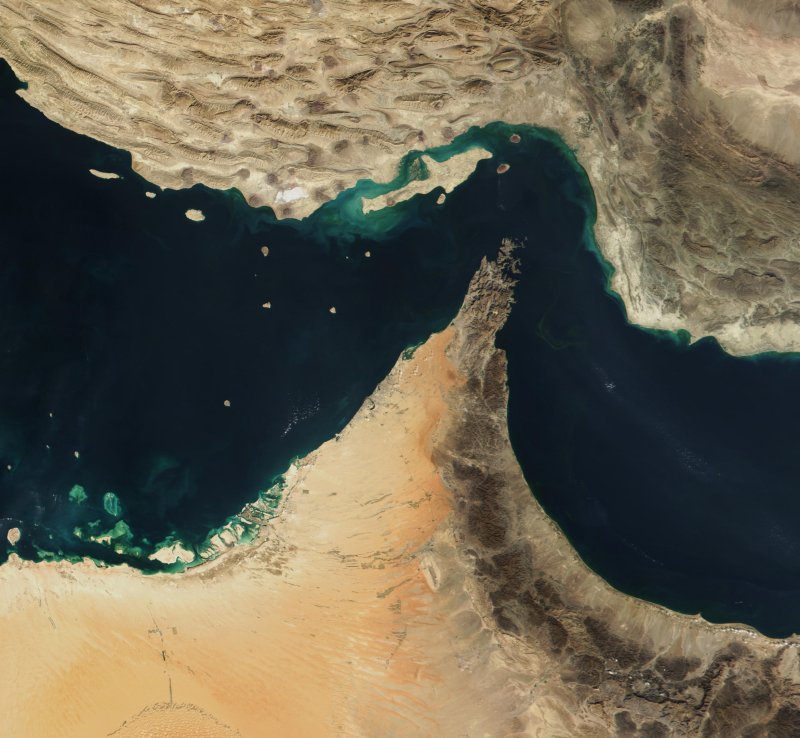
- Closure or Impairment of the Strait of Hormuz: Perhaps an even greater concern is the potential for the conflict to impact the Strait of Hormuz. This narrow waterway, situated between Iran and Oman, is one of the world's most critical maritime chokepoints. Approximately one-fifth of the world's total crude oil and other petroleum liquids consumption, roughly 20-21 million barrels per day, transits through the Strait. Any major impediment to shipping—whether through mining, naval blockades, or escalated military action—would severely restrict global oil flows, leading to an immediate and potentially massive spike in prices.
While such scenarios remain hypothetical, their potential consequences are severe. The oil market, as noted by analysts like Andrew Lipow of Lipow Oil Associates, is currently "monitoring the events in the Middle East." A sustained price move would require an actual supply disruption, not just the threat of one.
Why This Isn't the 1970s: Global Oil Dynamics & Resilience
Comparisons to the 1973 Arab oil embargo often emerge during periods of Mideast tension, but experts largely agree that a repeat of those catastrophic price hikes and long gasoline lines is unlikely. Several fundamental shifts in global oil dynamics offer a stronger resilience today:
- US Oil Production Boom: The United States has emerged as the world's largest oil producer. American oil production reached an all-time high of 13.2 million barrels per day, surpassing its previous record from 2020. This domestic abundance significantly reduces U.S. vulnerability to Middle Eastern supply shocks and helps stabilize global markets.
- Diversified Global Supply: While the Middle East remains crucial, the global supply landscape is far more diversified than it was fifty years ago. New producers, advancements in extraction technologies, and expanded trade routes contribute to this resilience.
- Strategic Petroleum Reserves: Many major consuming nations, including the U.S., maintain strategic petroleum reserves. These stockpiles can be released onto the market in times of severe disruption, providing a critical buffer to mitigate price shocks and ensure continued supply.
- OPEC's Role: While OPEC's decisions can influence prices, the organization also holds substantial spare capacity, particularly from Saudi Arabia. This capacity provides a safety net, theoretically capable of offsetting significant losses from individual member states if needed.
- Weakening Demand & Energy Transition: As noted earlier, global economic headwinds, especially in China, are dampening overall oil demand. Furthermore, the accelerating global push towards renewable energy and electrification, though long-term, introduces an underlying pressure on oil demand that was absent in the 1970s.
These factors collectively suggest that while volatility is inevitable, the world oil market is better equipped to absorb potential shocks from the current middle east crisis oil situation than it was during past crises. For a deeper dive into why the current situation differs from historical shocks, read our analysis: Why Mideast Crisis Won't Repeat 1970s Oil Shock: A Look.
Navigating Future Volatility: Implications and Strategic Outlook
Despite the mitigating factors, the ongoing "middle east crisis oil" situation guarantees continued market volatility. Fatih Birol, Executive Director of the International Energy Agency (IEA), has rightly stated that "markets will remain volatile," and rising oil prices would be "definitely bad news for inflation," particularly impacting developing countries that import oil and other fuels.
Strategic Implications & Actionable Advice:
- For Businesses: Companies heavily reliant on energy, especially in transportation, manufacturing, and logistics, should consider hedging strategies to mitigate price fluctuations. Diversifying supply chains and exploring energy efficiency improvements can also build resilience against future shocks.
- For Consumers: While a 1970s-style shock is unlikely, consumers should remain aware of potential fuel price increases and their broader inflationary impact on goods and services. Budgeting for higher energy costs may be prudent.
- For Governments: Maintaining robust strategic petroleum reserves, pursuing diplomatic efforts to de-escalate conflicts, and investing in renewable energy infrastructure are critical steps. Accelerating the energy transition reduces long-term reliance on volatile regions and fossil fuels.
- Investment Community: Investors should monitor geopolitical developments closely, as sharp shifts in the conflict could trigger rapid market reactions. Diversification across different energy sectors, including renewables, can help balance risk.
The geopolitical risks inherent in the Middle East underscore the ongoing importance of energy security strategies globally. The region's centrality to global oil supplies means that even without a full-blown supply crisis, the continuous threat perception maintains a risk premium that affects economic stability worldwide. To understand more about the market's response to these ongoing tensions, explore: Mideast Conflict Fuels Oil Volatility: What's Next for Markets?
In conclusion, while the current "middle east crisis oil" situation presents significant geopolitical risk, a confluence of factors—including robust US production, OPEC spare capacity, and weakening demand signals—has so far prevented a severe global supply shock. However, the delicate balance hinges on the avoidance of direct strikes on Iranian infrastructure or the closure of the Strait of Hormuz. The world remains on alert, navigating a period of heightened volatility where vigilance and strategic foresight are paramount for global energy stability.